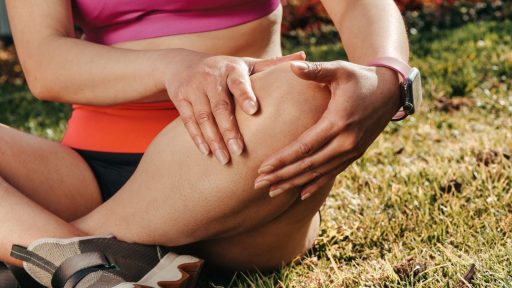
Recovering from an injury after 50 can feel very different than it did years ago.
A sore knee may linger longer, a back strain may take more time to calm down, or surgery may leave you feeling weaker than expected. That does not mean your body cannot heal; it means your recovery plan needs to match how your body changes with age. Our therapists help adults in Clarke County, Oconee County, Morgan County, and Madison County rebuild strength, mobility, balance, and confidence with personalized Physical Therapy designed for real-life goals.
>>>Recover with a smarter plan after 50, book an appointment online and start moving forward with confidence.
How the Body Changes After 50
The body naturally changes with age, and those changes can affect how quickly you bounce back from injury. Muscle strength may decline, joints may feel stiffer, balance may become less reliable, and tissues may not respond to stress the same way they once did.
These changes can make recovery feel slower, especially after a fall, joint injury, surgery, or flare-up of a chronic condition. A movement that once felt simple may suddenly feel uncertain or tiring.
Our therapists do not view age as a limitation. Instead, we use it as important information. We build plans that respect your current strength and mobility while helping your body regain capacity step by step.
Why Strength Matters More With Age
Strength is one of the biggest keys to recovery after 50. Muscles help support joints, improve balance, protect healing tissues, and make daily activities easier. When an injury causes you to rest or move less, strength can decline quickly.
This creates a cycle many patients recognize. Pain leads to less movement, less movement leads to weakness, and weakness makes movement feel even harder. Physical therapy helps interrupt that cycle.
Our therapists use progressive strengthening to help you rebuild safely. Your plan may include:
- Gentle strengthening for painful or healing areas
- Hip, core, and leg strength for better balance and walking
- Shoulder and upper back strength for lifting and reaching
- Functional exercises that match daily activities
The goal is not to push too hard. The goal is to give your body the right amount of challenge so it can adapt and recover.
Stiffness and Mobility Can Slow Progress
After 50, many people notice that stiffness lasts longer. Joints, muscles, tendons, and connective tissues may need more consistent movement to stay flexible. After an injury, stiffness can become even more noticeable because the body naturally protects the painful area.
For example, a knee injury may change how you walk. A back flare-up may cause guarded posture. A shoulder injury may lead you to avoid reaching. Over time, these protective habits can limit mobility and create new areas of discomfort.
Our therapists may use Manual Therapy, guided stretching, mobility drills, and movement retraining to help restore smoother motion. We also teach you how to keep moving between visits without overdoing it.
Balance and Confidence Need Attention
Recovery after 50 is not only about pain relief. Balance, coordination, and confidence are often part of the bigger picture. After an injury or surgery, you may feel less steady on stairs, uneven ground, or during quick changes in direction.
This is especially important for adults who worry about falling or who have already had a fall. Fear of falling can cause people to move less, which may lead to more weakness and stiffness.
Our therapists may recommend Balance and Fall Prevention when stability is affecting your recovery. Treatment may focus on:
- Safer walking and stair movement
- Better foot, ankle, hip, and core control
- Reaction and coordination exercises
- Confidence with everyday movement
When balance improves, many patients feel more independent and willing to return to normal routines.
Chronic Conditions Can Affect Healing
Many adults over 50 are also managing conditions like arthritis, neuropathy, osteoporosis, joint replacements, or recurring back pain. These issues can change how recovery feels and how your therapy plan should progress.
Someone with knee arthritis may need strengthening that protects the joint while still improving function. A person with neuropathy may need extra balance and sensory training. A patient recovering from joint replacement may need a gradual plan that restores mobility and strength without causing unnecessary irritation.
Our therapists look at the whole person, not just the injury. We connect your current symptoms, medical history, movement habits, and goals so your plan makes sense for your life.
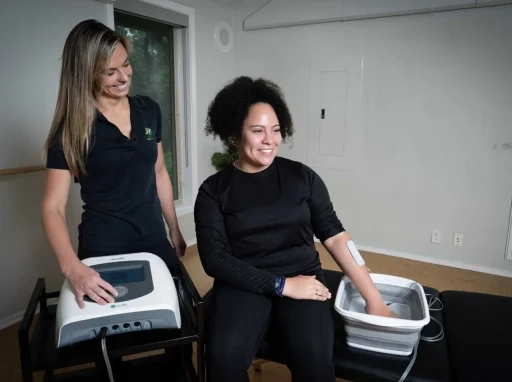
High Tech Physical Therapy Close to Home.
How Physical Therapy Supports Smarter Recovery
Healing after 50 may take more planning, but it can still lead to meaningful progress. Physical therapy helps you avoid the mistake of doing too little or too much. Both can slow recovery.
Our therapists help you find the right balance by improving:
- Strength for safer movement
- Mobility for less stiffness
- Balance for better stability
- Posture and body mechanics
- Confidence with daily activities, work, hobbies, and exercise
Patients can receive care near our East Athens, Danielsville, Madison, and North Oconee Physical Therapy locations.